


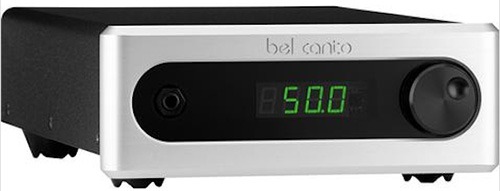
Getting the best sound quality from your system isn’t just about having high-end equipment; it’s about properly tuning your amplifier. Even the most powerful amplifiers may sound sluggish, harsh, or unbalanced when they’re not properly tuned. Whether you’re new to home audio or upgrading your system, understanding how to adjust your amplifier’s controls will dramatically improve clarity, sound quality, depth, and overall satisfaction.
The company Ultimate Audio AZ has many customers who buy high-end amplifiers like Bel Canto and Tonewinner; however, they are often unaware of the performance that can be achieved through proper adjustments. This guide will help you adjust an amplifier’s settings step by step, without jargon, so you can listen to the audio exactly as it was intended.
Why Proper Amplifier Adjustment Matters
The ability to set the correct settings for amplifiers assures:
- Sound that is clear and free of distortion
- Mids, balanced bass, and Treble
- A longer life span for the speaker and amp
- Listening at ease at all volumes
Incorrect settings can cause ear fatigue, bass distortion, or speaker damage over time. This is why setting the correct settings is as crucial as equipment quality.
Understanding Basic Amplifier Controls
Before adjusting the amplifier, it’s essential to understand the function of each control.
Volume Control
Controls the overall volume. Many people confuse volume with power. Pushing it too far can cause distortion, even with expensive amplifiers.
Gain (Input Sensitivity)
Gain is the measure of how strong an input signal is. Proper gain adjustment is crucial for learning to adjust the amp without creating noise.
Bass, Midrange, and Treble
The tone controls control the sound
- Bass: Low frequency
- Midrange: Instruments, vocals, and vocals
- Treble: High-frequency details
Balance Control
Adjusts the sound of the left and right speakers. helpful to correct seating or room positioning issues.
Step-by-Step Guide: How to Adjust an Amplifier Correctly
This process applies to all home audio amps and is especially efficient in high-fidelity systems.
Step 1: Begin by Using Flat Settings
Set the bass, middle, and treble to neutral (usually 0 or centered). This provides a clear reference point for properly adjusting the amplifier.
Step 2: Set the Volume Low
Begin by lowering the volume to shield your ears and speakers when adjusting other controls.
Step 3: Adjust Gain Carefully
Gradually increase the gain until the sound is full and clean; if distortion occurs, back off slightly. This is a crucial step to ensure the amplifier is adjusted without noise or harshness.
Step 4: Fine-Tune Bass
The bass should be increased gradually. The aim is to create depth, not loudness. Excessive bass can overwhelm vocals and strain the speakers.
Step 5: Shape the Midrange
The midrange is where vocals reside. Minor adjustments can create a more natural-sounding and genuine voice.
Step 6: Add Treble for Clarity
Treble should bring sparkle, not be sharp. If cymbals and “S” sounds feel harsh, reduce their intensity.
Step 7: Adjust Balance
Relax in your usual listening position and adjust the balance to ensure that the sound is centered.
Room Acoustics and Speaker Placement
Even if you can adjust the amplifier, inadequate room acoustics could limit your output.
Key Tips:
- Be sure to keep speakers away from walls if you can.
- Use rugs, curtains, or even furniture to reduce echo.
- Set the speakers at eye level.
- Keep a distance equal to your listening position.
The correct placement of the amplifier makes it much easier to adjust the amp effectively.
Matching Amplifier Settings to Your Speakers
Different speakers require different tuning. Speakers with higher sensitivity require less gain, while power-hungry ones require the highest level of volume control. When learning how to adjust your amplifier, you should always think about:
- The impedance to which speakers are plugged (ohms)
- Sensitivity score
- Recommended power range
Ensuring these are properly aligned prevents distortion and enhances overall performance.
Common Mistakes to Avoid When Adjusting an Amplifier
Many people do not realize they are damaging their amplifier when adjusting its volume.
Too high a bass.
Maximizing volume over an appropriate gain
Doing nothing to address the acoustics in the room
Adjusting settings at extremely low levels of hearing
Copying settings from different systems
Each room and set-up is unique, so trust your ears.
Analog vs Digital Amplifier Adjustments
Modern amplifiers typically contain electronic controls, EQ pre-sets, or app-based tuning. While they’re convenient, the fundamentals for adjusting an amplifier stay the same.
- Start with a flat
- Make small adjustments
- Be attentive
Digital EQ should complement, not replace, basic tuning.
How Often Should You Re-Adjust Your Amplifier?
There is no need to adjust settings continually. But, you should re-examine how to adjust the amplifier in the event of:
- The speaker is moved
- Rooms to change
- Include new components
- Notice listening fatigue
- Music genres are changed frequently.
Also, check what is an integrated amplifiers
FAQs: How to Adjust Amplifier
1. What is the most efficient way to alter the settings of an amplifier for use at home?
The most effective method for adjusting the amplifier is to start with a flat setting, adjust the gain appropriately, and make small tone adjustments at a normal listening volume.
2. What can I do to tell when my amplifier is too high?
If you notice distortion, harsh highs, or your speakers rattling, then the settings you are using are not appropriate. Reduce gain or volume immediately.
3. Do we need to always turn the bass up when using an amplifier?
No. If you are adjusting the amplifier, the bass should enhance the sound rather than overpower it. A bass level that is too high can cause distortion and harm speakers.
4. Does adjustment to the amplifier impact audio quality in a different way than the speaker?
Both are crucial; an incorrect amplifier adjustment can destroy the most powerful speakers. Understanding how to adjust your amplifiers will unlock your system’s maximum potential.
5. Do bad amplifier settings cause damage to speakers?
Yes. Overly high gain, clipping, or distortion caused by improper adjustment techniques can permanently damage speakers.
Final Thoughts
Knowing how to adjust an amp’s settings is among the most valuable skills an audiophile can acquire. It doesn’t require technical know-how, but it does require patience, a keen ear, and a desire to fine-tune. By making the correct adjustments, your amplifier will deliver better sound quality, more detail, and a more pleasant listening experience.
Here at Ultimate Audio AZ, the aim isn’t to sell the best amplifiers. It’s about helping you achieve the best performance out of these devices. Learn how to adjust the amp to your preferences so your amp rewards you every time you hit play.